
We train and deploy conservation detection dogs to monitor ecological health, protect wildlife, and identify biological threats.
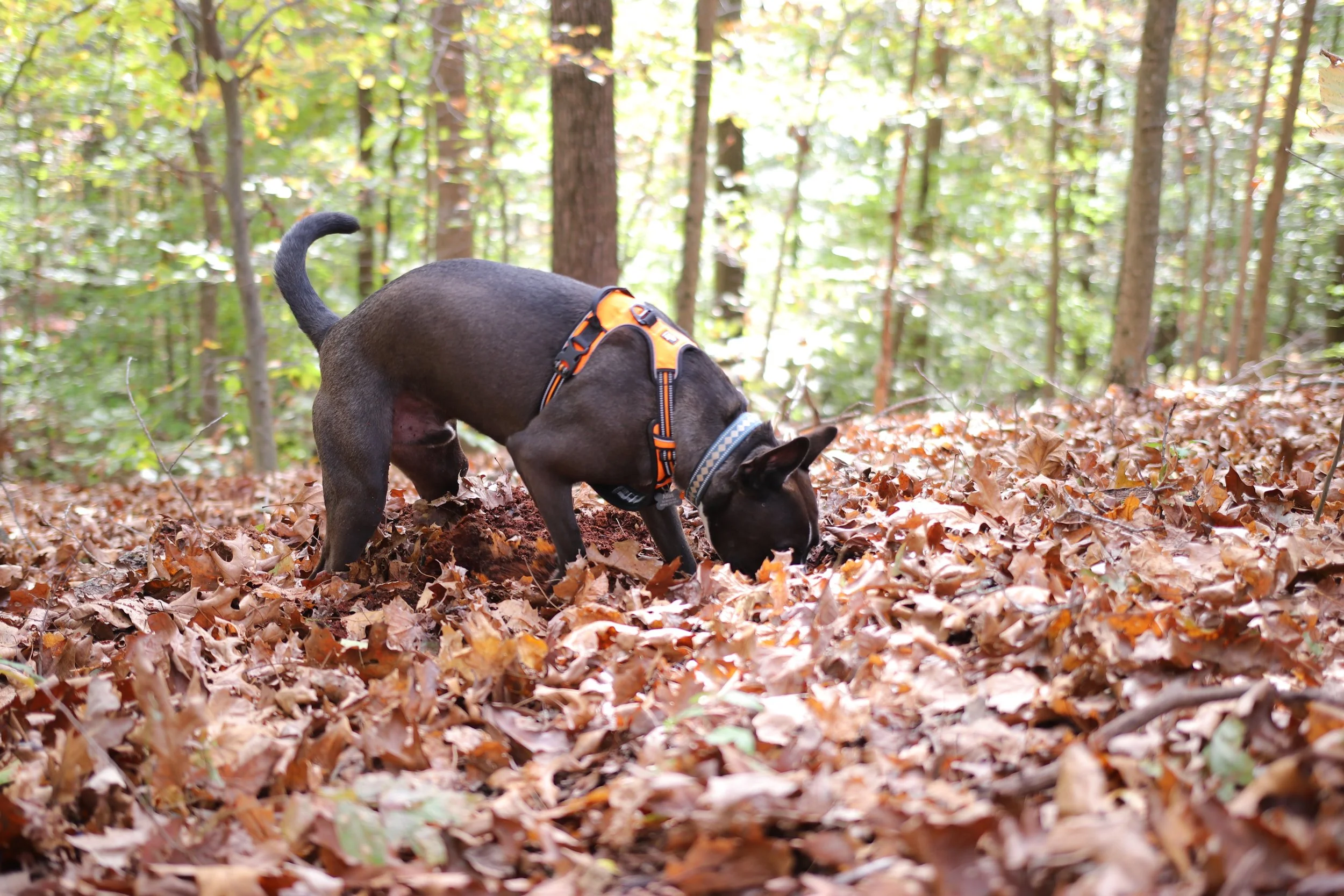
We train and deploy conservation detection dogs to monitor ecological health, protect wildlife, and identify biological threats.
We collaborate with partners to advance our mission by offering specialized support in several areas, including:
Consultations to discuss project goals, objectives, and feasibility
Detection dog study planning and design
Proof-of-concept projects for new target odors
Deployment of K9 teams, data collection, and data management
Project reports
Detection dog training for outside agencies
Dog demonstrations and outreach initiatives
Why Detection Dogs?
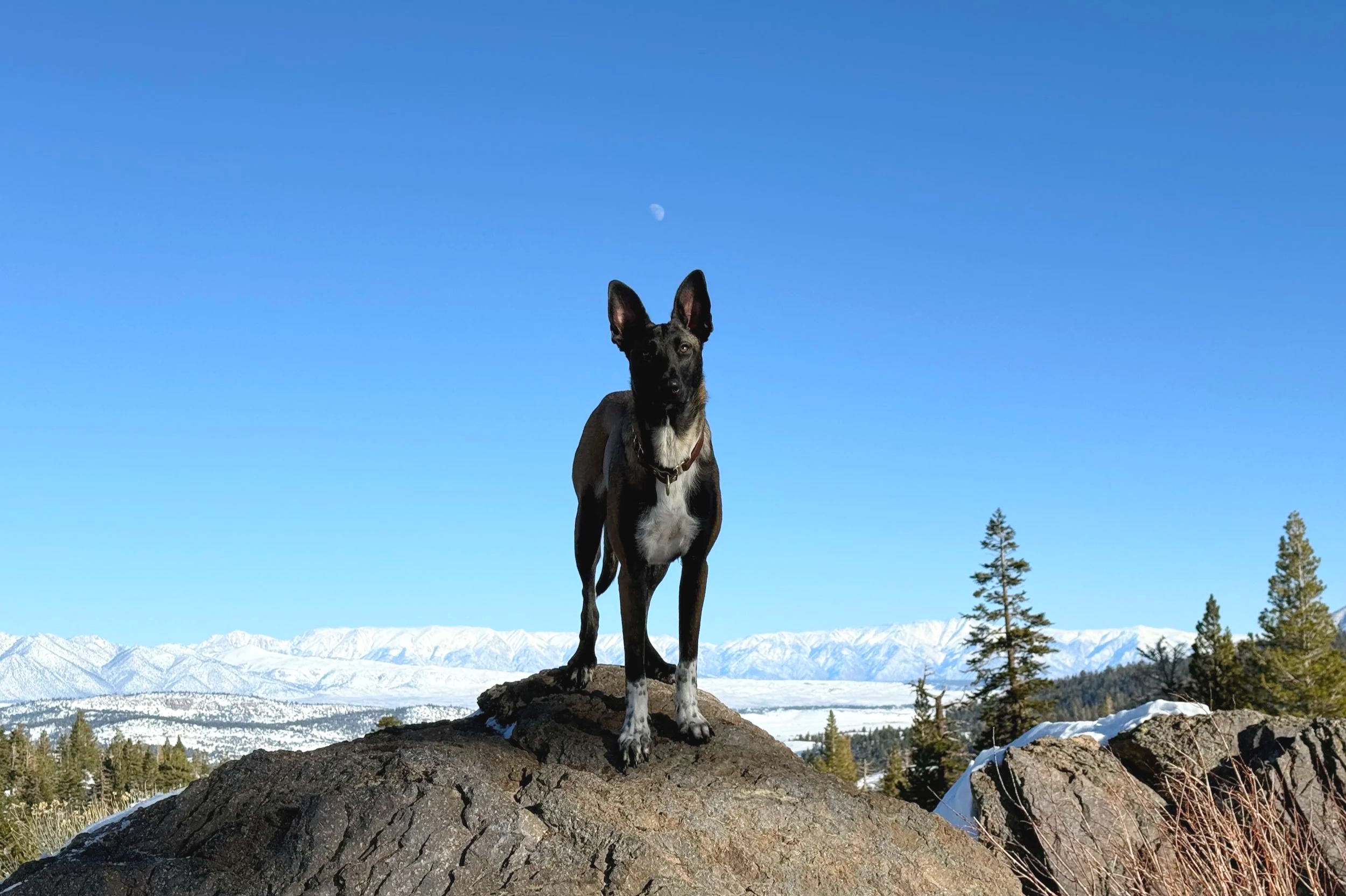
Dogs are Effective
Detection dogs are among the most effective tools available for wildlife surveys, because their extraordinary olfactory abilities enable them to locate a wide variety of data; they’re invaluable for gathering high-quality data on cryptic, rare, or low-density species that might otherwise go undetected. Dogs also often outperform human searchers and other traditional survey methods in speed, accuracy, and detection rate.
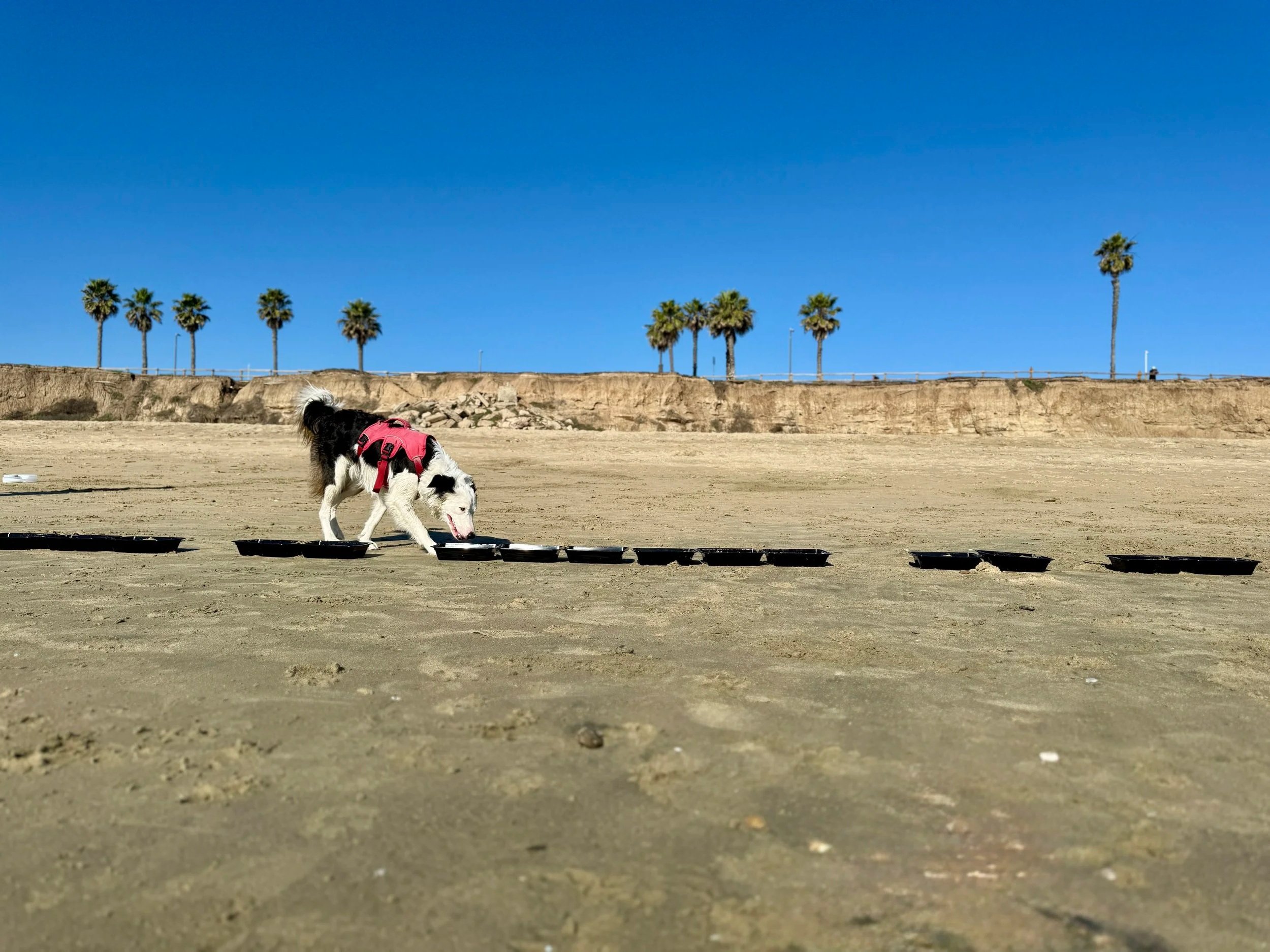
Dogs are Versatile
Dogs can learn many different odors over their lifetime, and are used to find a variety of wildlife targets including:
Carcasses
Scat
Invasive species
Rare plants
Environmental pollutants
Live animals
Animal dens, nests, or burrows
Diseases
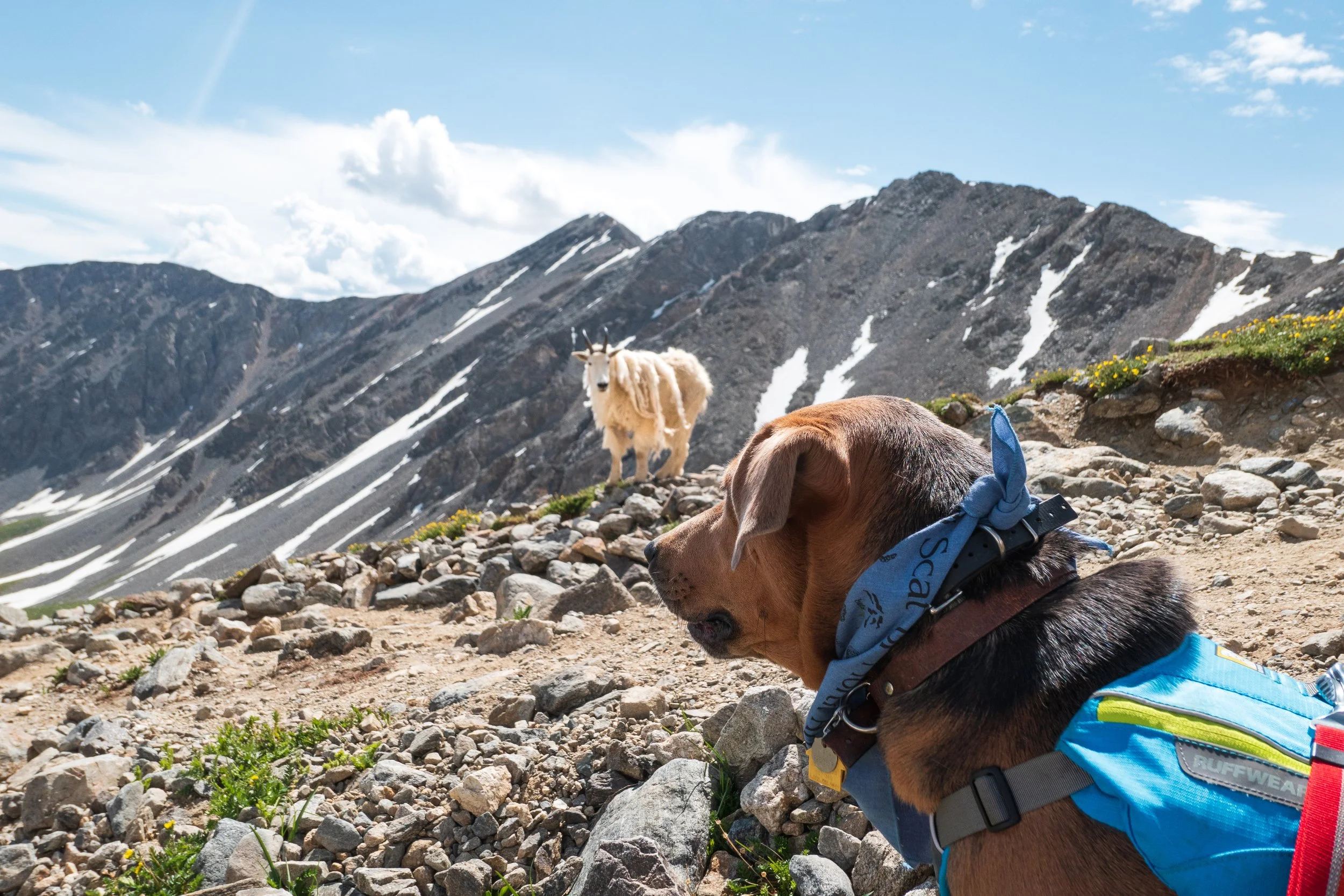
Dogs are Safe & Non-invasive
Detection dog teams operate as a low-impact survey method. In many applications, dogs allow us to collect critical data without capturing, handling, or directly interacting with animals, minimizing disturbance to sensitive species. Our dogs also never interact with wildlife during surveys - we specifically select dogs who are environmentally stable and exhibit naturally low prey drive, and further shape their behavior to promote neutrality towards wildlife. We take additional precautions when requested, such as utilizing a muzzle or conducting searches on a long-line.
Our handlers are well-accustomed to working with dogs in challenging environments. We follow strict safety protocols to reduce risk of accidents and injury, and are certified in canine first aid. We take additional precautions when warranted, such as rattlesnake avoidance training for our dogs that work in areas with healthy rattlesnake populations.
Frequently Asked Questions
Curious if dogs can locate a certain odor? Want to know if dogs are the right fit for your project? Have questions about logistics? Check out our frequently asked questions, or contact us to learn more.
We’re passionate about our dogs and the work they do, and we want to help you find the right solution for your project.
-
Dogs are highly adaptable and are capable of working in a wide variety of environments — from lowland deserts to alpine forests, and most places in between.
For areas with particularly difficult terrain, harsh vegetation, or temperature extremes, we can discuss the use of additional specialized dog safety equipment and survey timing to avoid unsafe conditions.
-
Dogs are an increasingly popular tool for locating wildlife data — and for good reason. One recent literature review by Grimm-Seyfarth et al. (2021) suggests that dogs preform better 88.71% of the time when compared to other survey methods.
In some areas, such post-construction monitoring at wind energy facilities, detection dogs have been shown to be much more efficient than human searchers (Mathews et al. 2013, Paula et al. 2011, Smallwood et al. 2019) and are becoming industry standard.
-
Our experienced dogs who are currently operational can typically learn a new odor within a few weeks.
Several months go into training a new dog to make sure they have the solid foundational obedience and detection skills needed to become operational. We never rush through training to get a dog in the field before it’s ready.
-
Yes, our dogs are expertly trained to remain neutral around wildlife, allowing them to be deployed safely in sensitive habitats and around sensitive species.
If you have specific concerns about sensitive species, please reach out to discuss our safety protocols.
-
We’d love to hear from you! Please visit our Contact Us page to submit an interest form, or email us directly at info@atlasecological.org.
Interested in working with us?